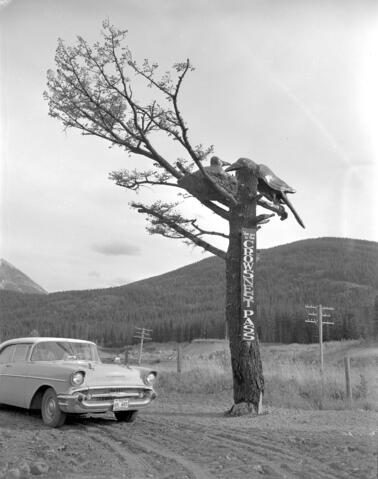
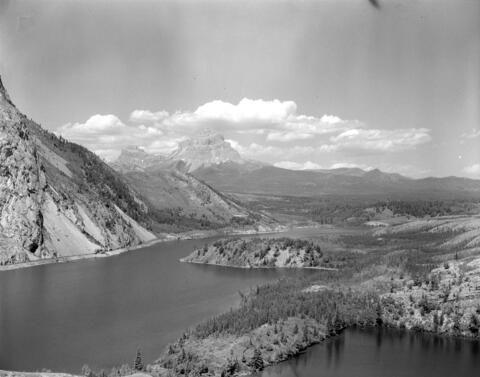
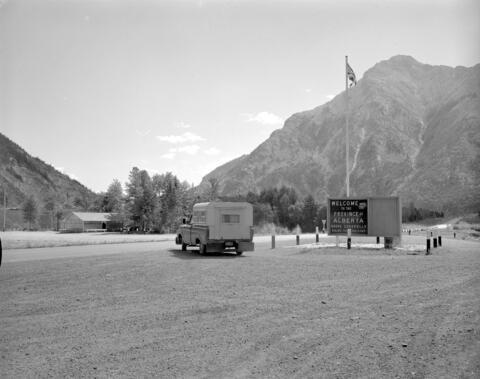
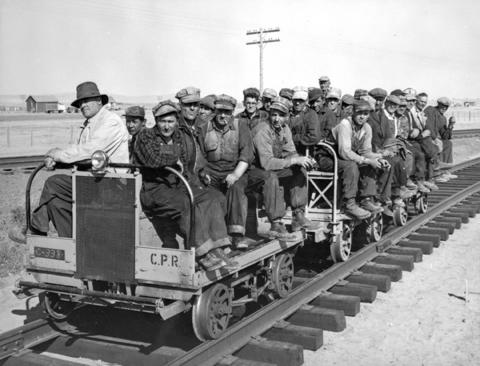
There are few places in Alberta where history feels as alive, or as visible, as the Crowsnest Pass. Nestled along the eastern slopes of the Rockies, the region has long been shaped by movement, including Indigenous travel routes, railway expansion, coal mining booms, and generations of people drawn to a quiet life in the mountains.
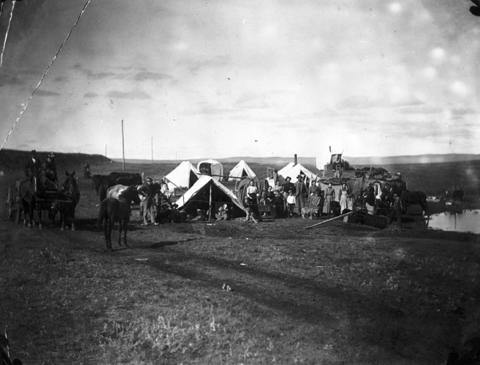
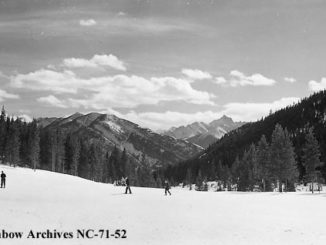
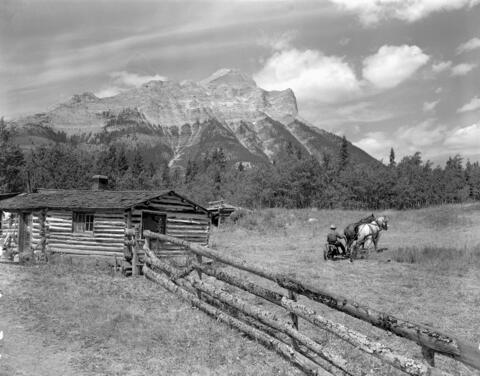
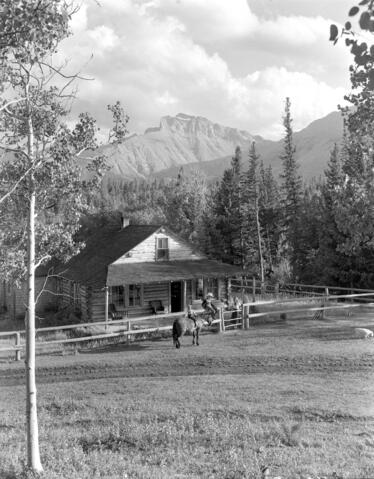
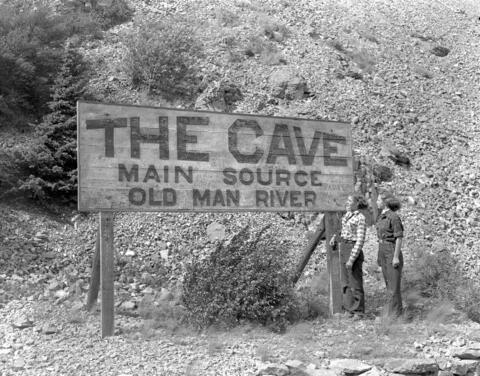
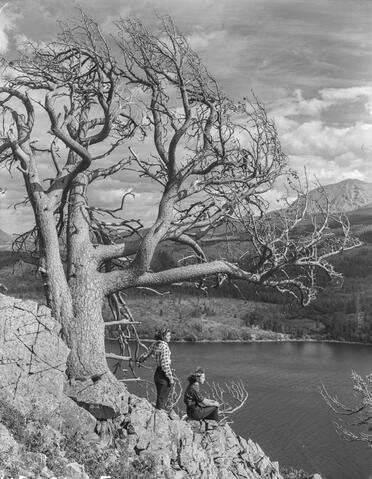
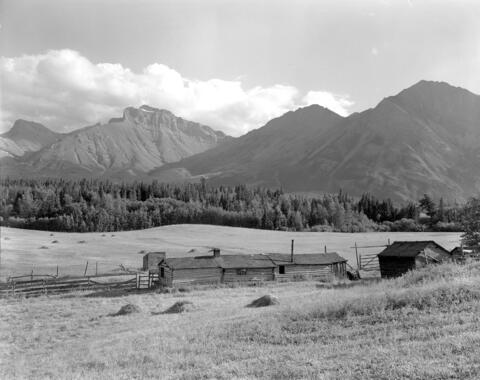
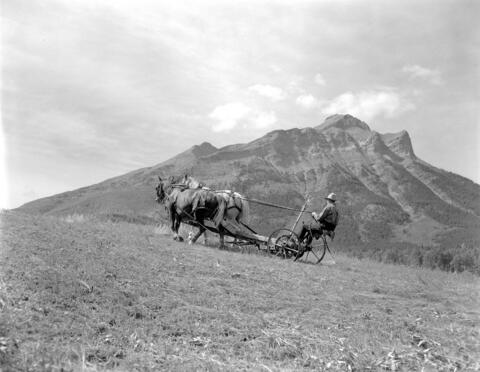
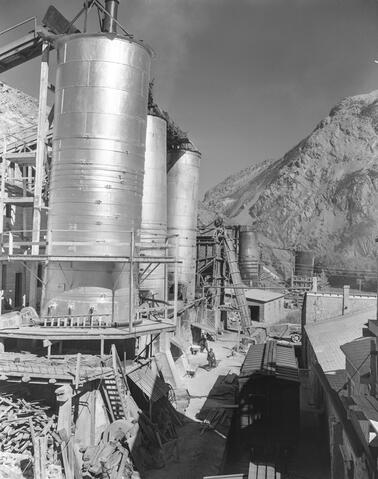
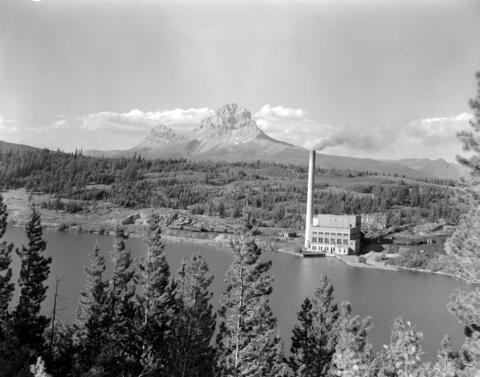
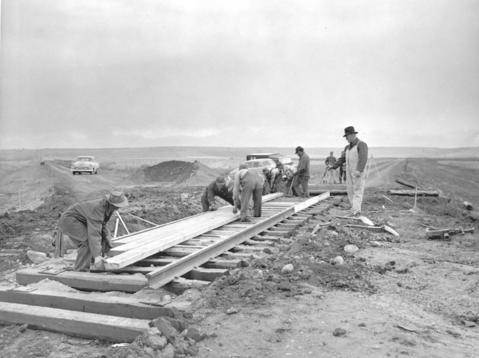
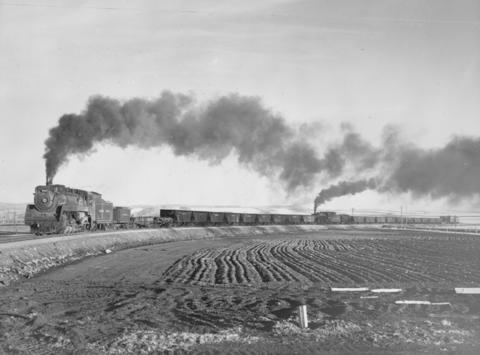
The photographs in this collection capture a region built on resilience, hard work, and community. These images document a transformative period in the Pass, when towns like Frank, Blairmore, Coleman, Bellevue, and Hillcrest grew rapidly alongside the coal industry that powered much of western Canada.
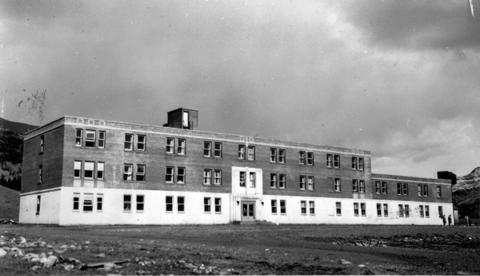
By the early 1900s, the Crowsnest Pass had become one of the busiest coal-producing regions in the country. Miners arrived from around the world, bringing diverse cultures and traditions that helped shape the unique identity of the area. However, the region’s history is also closely tied to tragedy. In 1903, the Frank Slide sent millions of tonnes of rock crashing down Turtle Mountain, destroying part of the town of Frank in less than two minutes. Just over a decade later, the Hillcrest Mine Disaster became the deadliest mining disaster in Canadian history. These events left a lasting mark on the communities of the Pass and remain central to its story today.
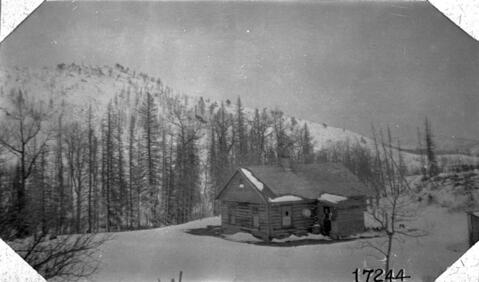
Yet beyond the disasters, these photographs tell a larger story of endurance and everyday life. They capture a rugged and rapidly changing region where people built homes, communities, and livelihoods in one of Alberta’s most dramatic landscapes. More than a century later, the Crowsnest Pass remains a place where history feels close at hand, and these images offer a powerful glimpse into the people and moments that shaped it.
For similar collections of historical photos, please see these previous posts: Vintage Photos of Coleman, Alberta, Vintage Photos of Mountain Passes from Across Alberta, and Vintage Photos from Prohibition Era Alberta.
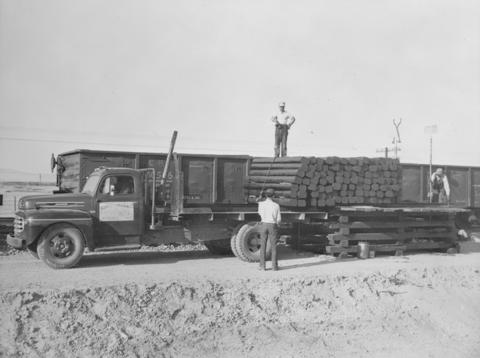
The photos above were collected from the Provincial Archives of Alberta. If you’re interested, additional information can be found for each photograph on their website. Stay tuned for additional posts featuring historical photos from across Alberta and Western Canada. We’d love to know what you think in the comment section below.