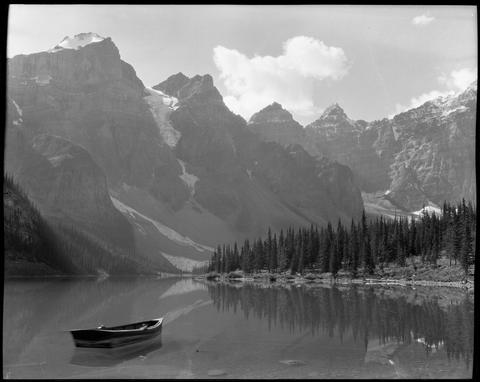
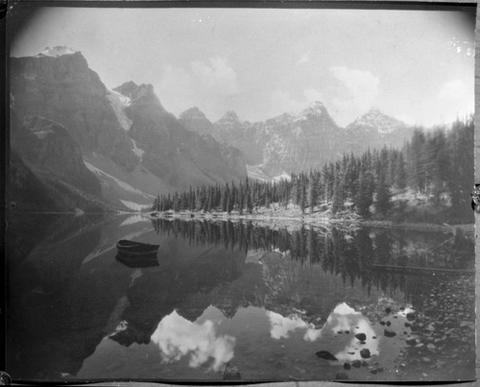
Long before it became one of the most photographed destinations in Canada, Moraine Lake was a hidden alpine gem known only to Indigenous peoples who travelled and hunted throughout the Canadian Rockies for generations. Nestled beneath the towering Valley of the Ten Peaks in Banff National Park, the lake remained largely unknown to European explorers until the late 19th century.
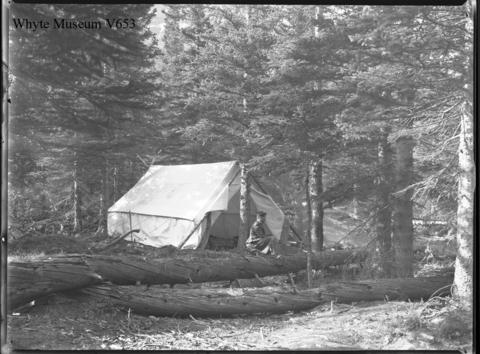
In 1899, American explorer and mountaineer Walter D. Wilcox climbed a rocky ridge overlooking the lake and was captivated by the view. Believing the ridge had been formed by glacial debris, known as a moraine, he named it Moraine Lake. Wilcox later described the moment as “the happiest half-hour” of his life. While modern geologists now believe the famous rockpile was likely created by a massive ancient rockslide rather than a true moraine, the name has endured for well over a century.
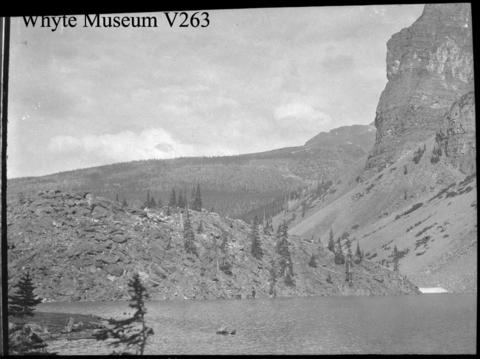
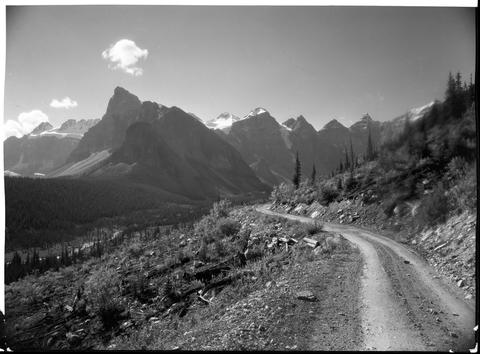
The surrounding Valley of the Ten Peaks was explored a few years earlier by Samuel E. S. Allen and fellow members of the Yale-Lake Louise Club. Allen named the ten dramatic summits using the Stoney Nakoda words for the numbers one through ten, which was a tribute to the Indigenous guides who helped early explorers navigate the remarkable landscape. Although many of the peaks have since been renamed, the valley remains one of the defining alpine vistas of the Canadian Rockies.
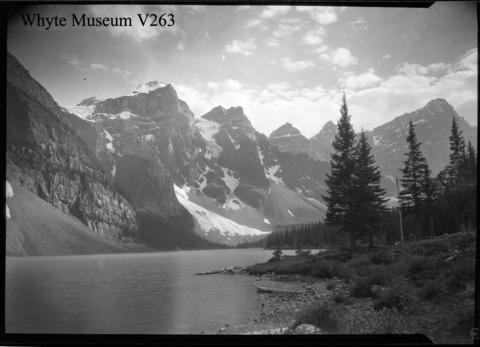
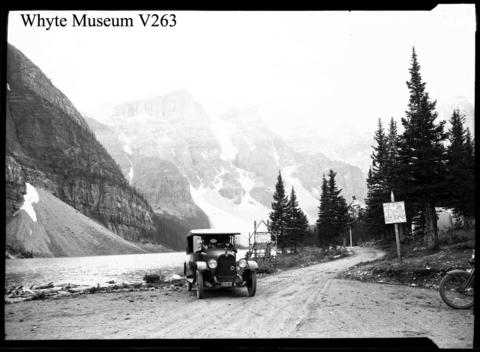
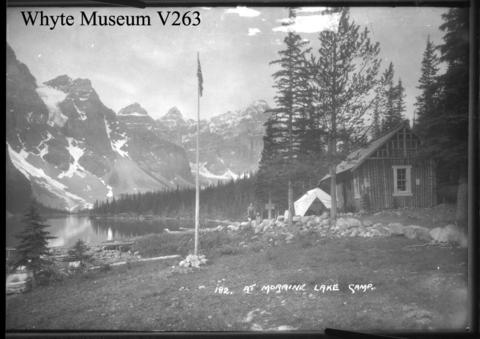
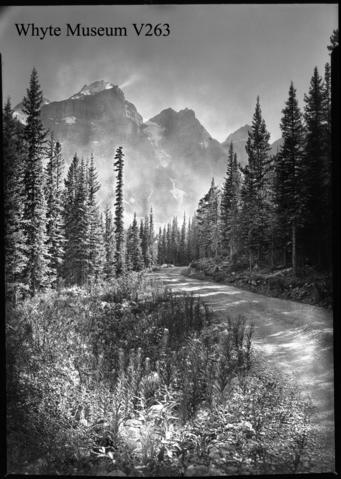
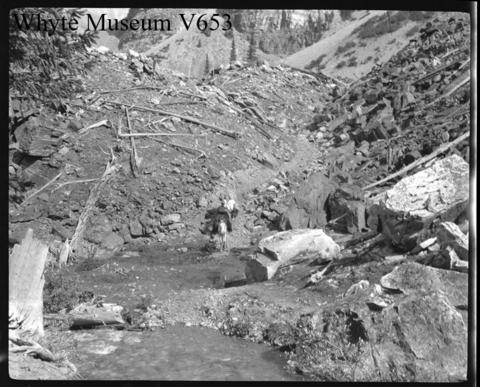
Reaching Moraine Lake was once an adventure in itself. The first trail was cut by legendary mountain guide Tom Wilson in 1899, followed by improvements from the Canadian Pacific Railway in the early 1900s. A rough vehicle road finally opened in the 1920s, allowing more visitors to experience the lake’s brilliant turquoise waters, coloured each summer by glacial rock flour suspended in the meltwater.
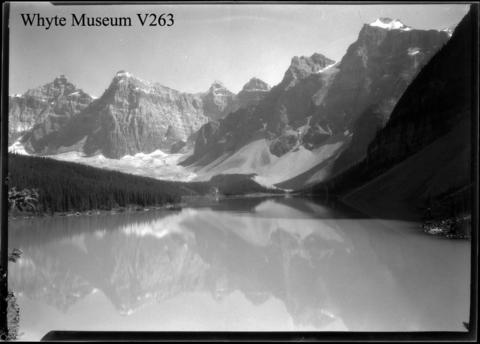
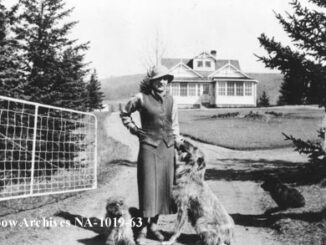
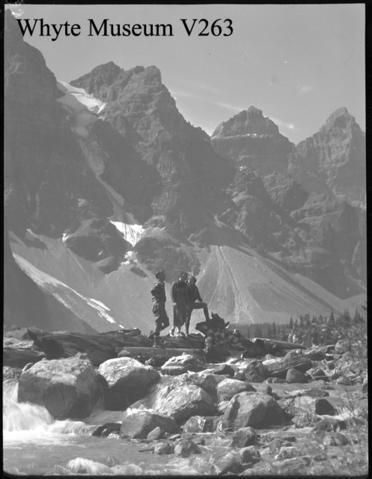
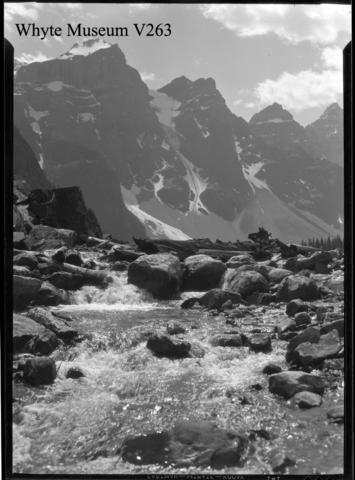
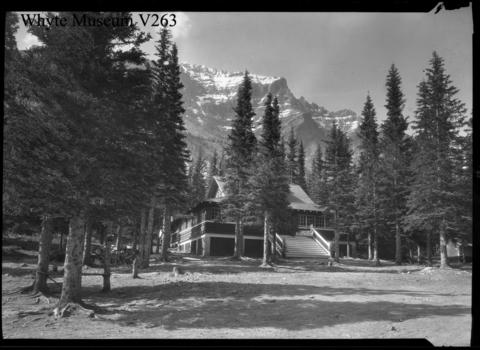
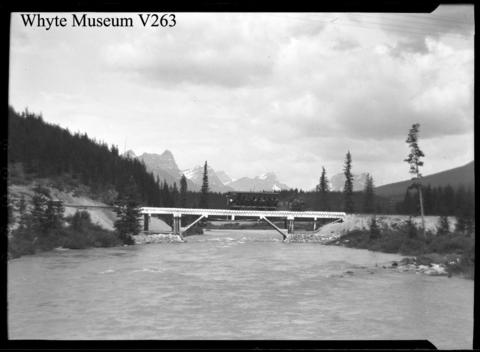
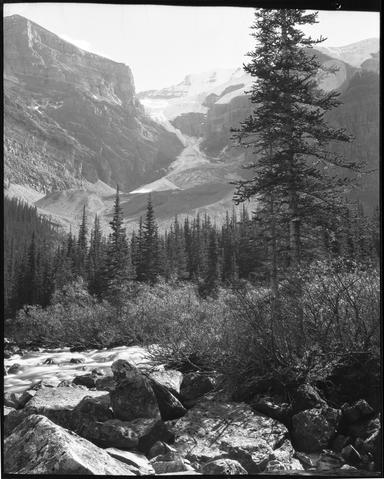
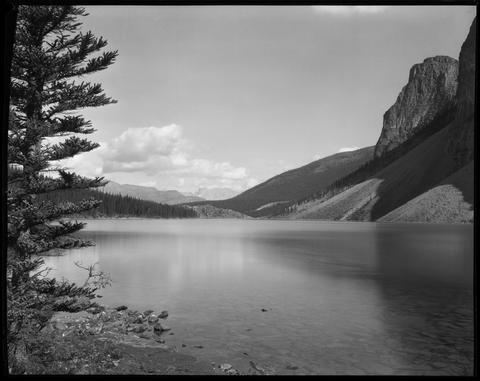
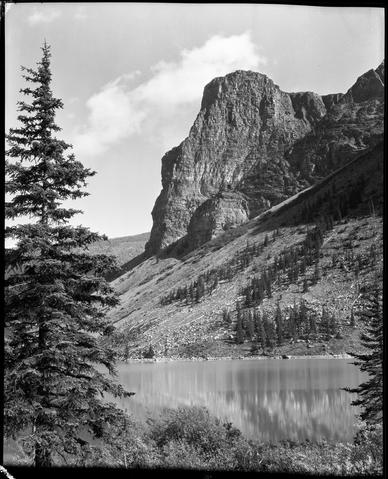
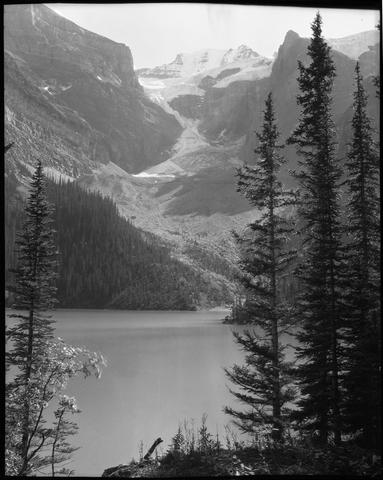
The photographs in this collection document the evolution of access, tourism, and mountain culture while reminding us that the awe inspired by Moraine Lake has remained remarkably constant. Though roads, lodges, and cameras have changed, the view across the lake toward the Ten Peaks continues to evoke the same sense of wonder that greeted the area’s earliest explorers.
For more collections of historical photos from Banff National Park, please see the following: Historical Photos of Banff’s Cave and Basin, Old Photographs of Banff’s Wildlife Paddock, Old Photographs of Lakes from Banff National Park, and Historic Photos of Abbot Pass.
The photos above were collected from Archives Canada. For more information, you can find additional details about each photograph on their website. Stay tuned for additional posts featuring historical photos from across Alberta and Western Canada. We’d love to know what you think in the comment section below.