Long before it became a thriving prairie city, the valley of the South Saskatchewan River was an important gathering place for Indigenous Peoples. The region’s sheltered coulees, reliable water, abundant wildlife, and river crossings made it a natural meeting place for thousands of years. The city’s name comes from the Blackfoot word Saamis, commonly translated as “medicine man’s hat” or “medicine headdress.” Several Indigenous legends explain the name, including one in which a sacred headdress was gifted to a hunter by a powerful river spirit, while another tells of a medicine man’s headdress being lost during a battle along the river. Both stories remain an important part of Medicine Hat’s cultural heritage.
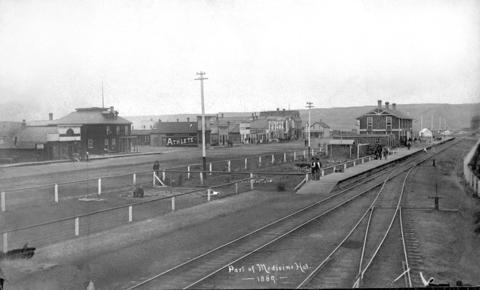
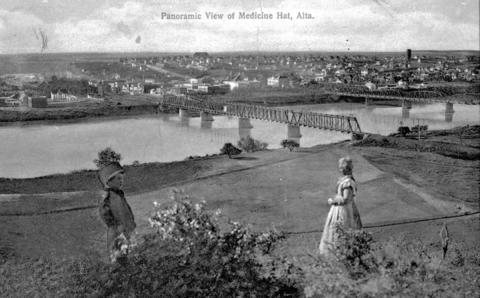
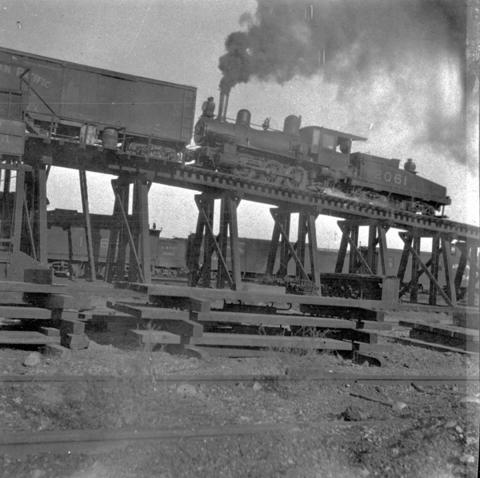
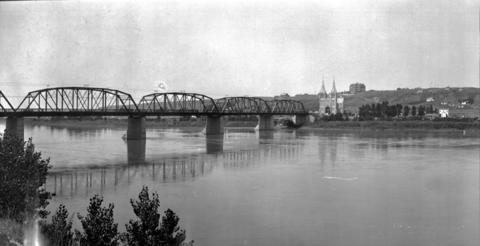
Modern Medicine Hat began in 1883 when the Canadian Pacific Railway reached the South Saskatchewan River and established a bridge crossing. What started as a bustling railway camp quickly grew into a permanent settlement, attracting ranchers, merchants, and immigrants eager to build lives on the prairie. The discovery of vast natural gas reserves soon transformed the community into one of Western Canada’s fastest-growing centres, providing inexpensive fuel for homes, industry, and brick manufacturing. Medicine Hat was incorporated as a city in 1906 and earned the nickname “The Gas City.”
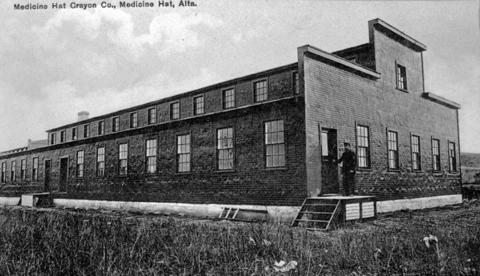
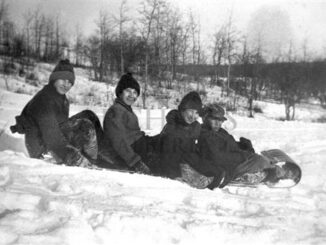
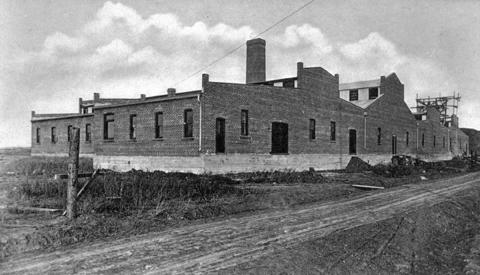
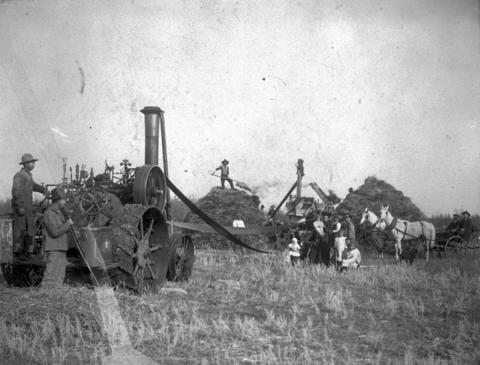
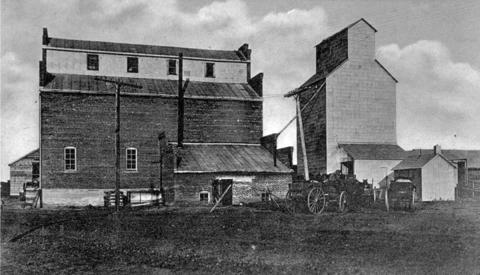
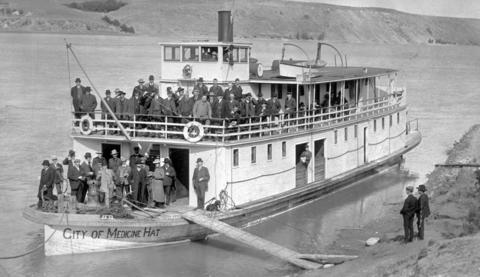
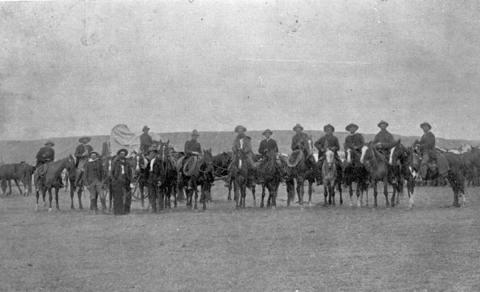
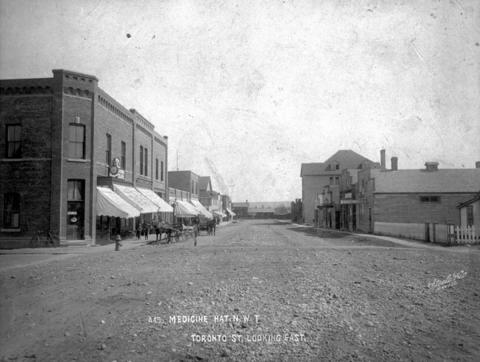
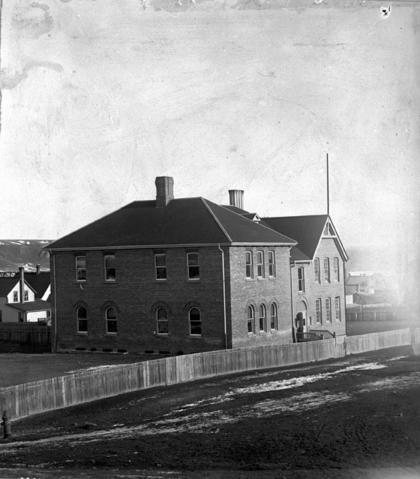
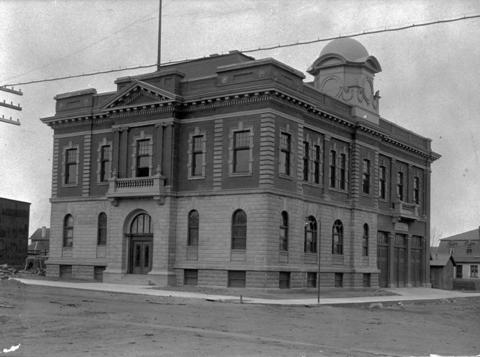
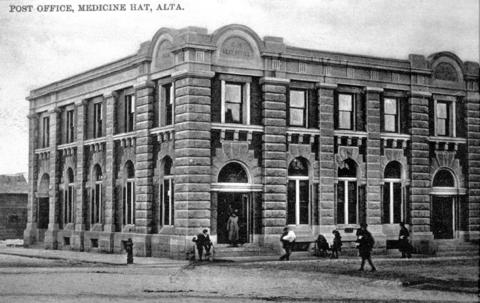
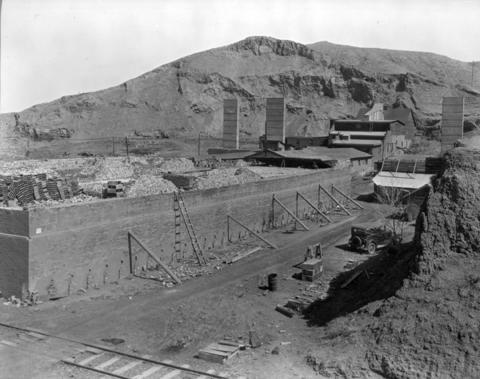
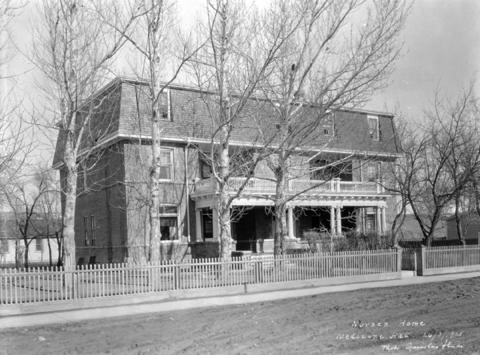
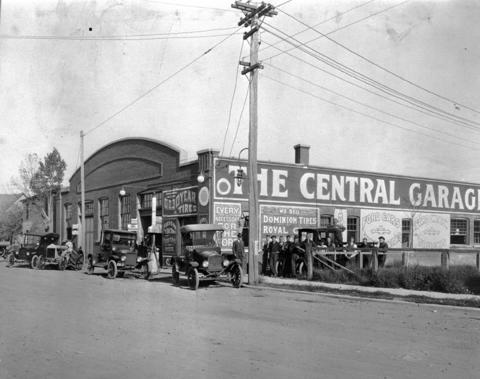
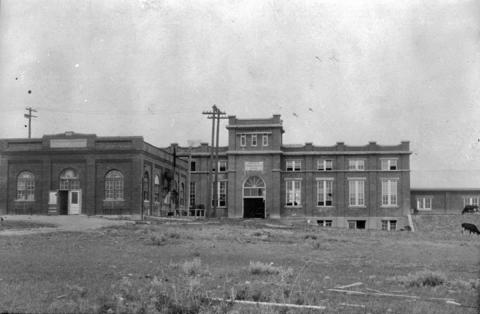
The photographs in this collection capture a remarkable period of transformation. They document the evolution of Medicine Hat from a young frontier town into a prosperous city, where railways, industry, and civic pride shaped the community’s identity. Together, these images preserve the people, streets, businesses, and landscapes that tell the story of one of Alberta’s oldest and most distinctive cities.
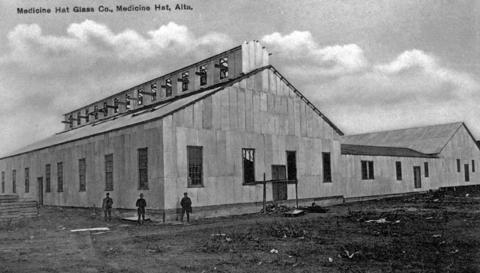
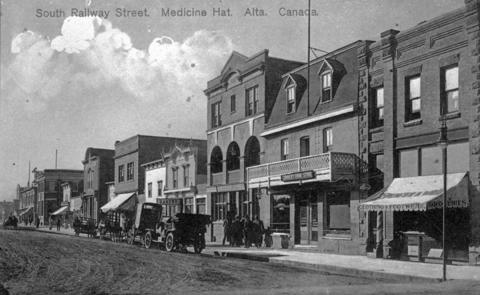
For similar collections, please see my previous posts including, Vintage Photographs from the Cypress Hills Area, Old Photographs from the Crowsnest Pass Area, and Historic Photos from Fort MacLeod.
The photos above were collected from the Provincial Archives of Alberta. For more information, you can find additional details about each photograph on their website. Stay tuned for additional posts featuring historical photos from across Alberta and Western Canada. We’d love to know what you think in the comment section below.