Perched high above the town of Banff, Mount Norquay has been part of the Canadian Rockies’ winter culture for a full century. Its story mirrors the growth of skiing in western Canada, from rugged, hike-accessed runs to a modern mountain that still holds onto its old-school character.
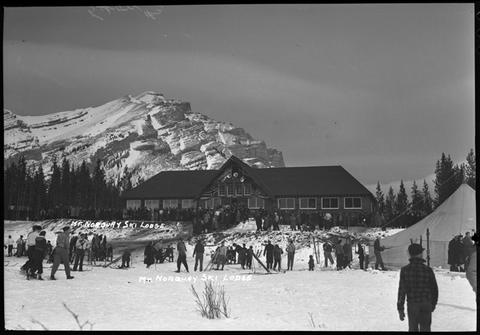
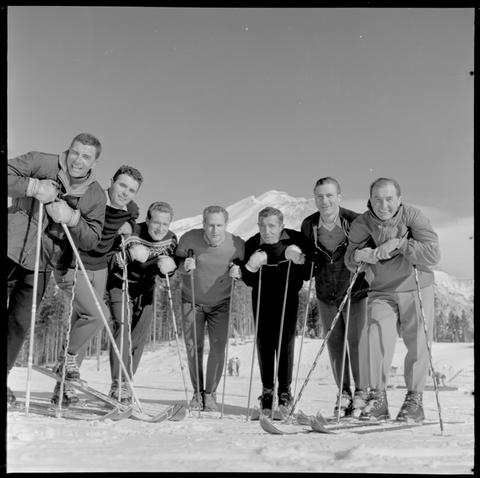
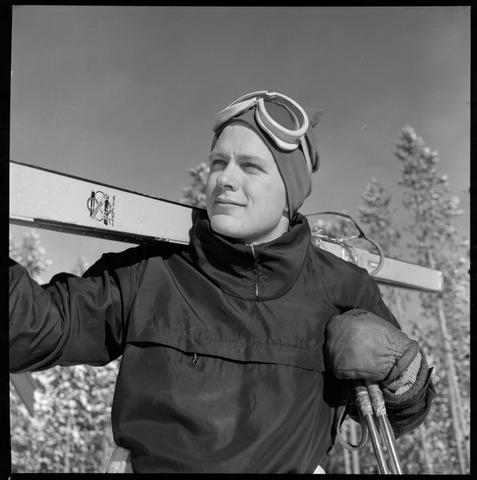
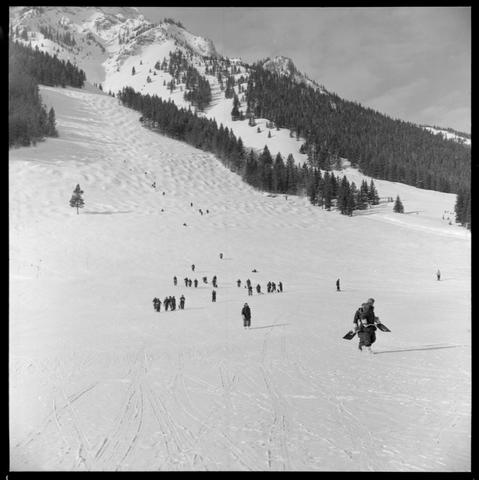
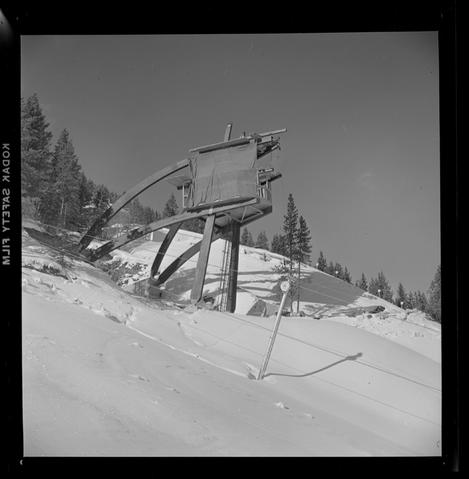
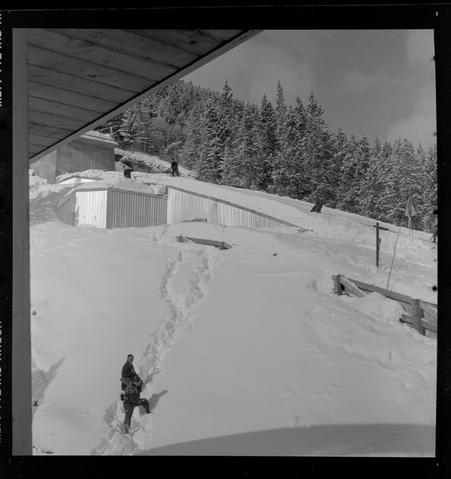
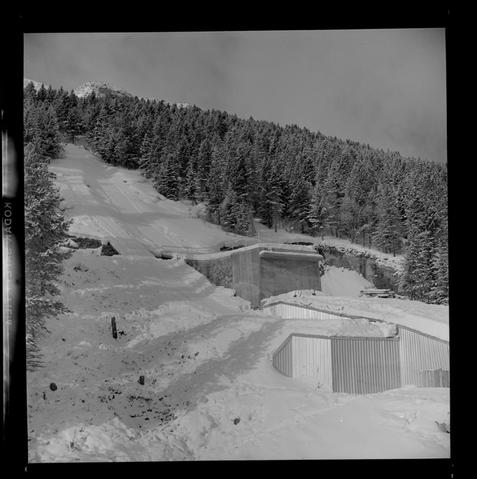
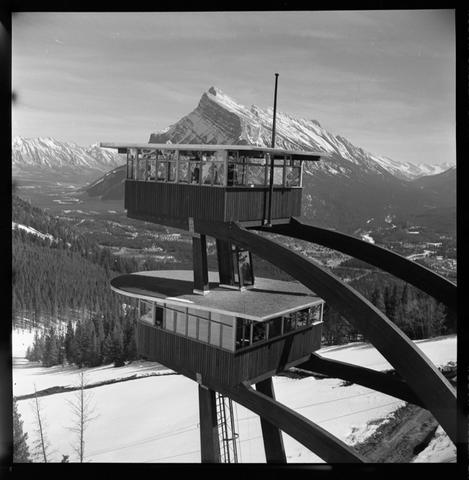
Mount Norquay’s skiing history began in 1926, when ski pioneer Gus Johnson cleared the first ski runs on the slopes above Banff. At the time, skiing in the Rockies was still a small but passionate pursuit, with local enthusiasts hiking uphill carrying their wooden skis before descending through the trees. By 1928–1929, the Banff Ski Club had built a ski cabin and established the mountain’s first slalom courses, quickly turning Norquay into a gathering place for the region’s growing ski community.
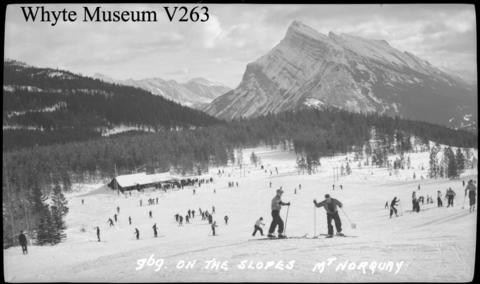
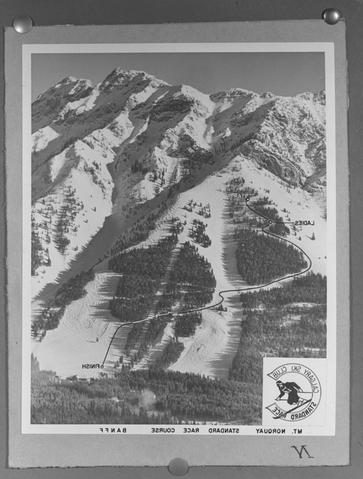
Throughout the 1930s, Norquay became known for competitive racing. European teams visited Banff to compete, and the mountain hosted major slalom races that helped develop Canada’s alpine skiing scene. A road built in 1935 made the mountain easier to reach, drawing skiers from Calgary and beyond.
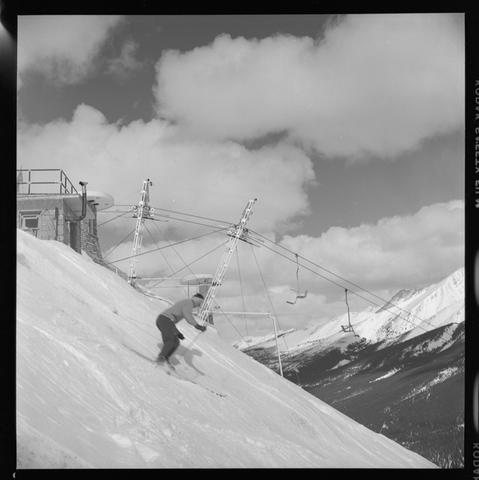
The 1940s brought dramatic changes. In 1941, Norquay installed its first rope tow, which was powered by an automobile engine. This allowed skiers to ride uphill instead of hiking. Just a few years later, in 1948, the mountain installed the North American Chair, one of the earliest chairlifts in Canada and a symbol of the hill’s pioneering spirit.
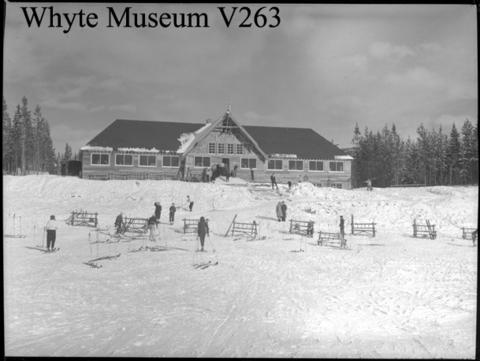
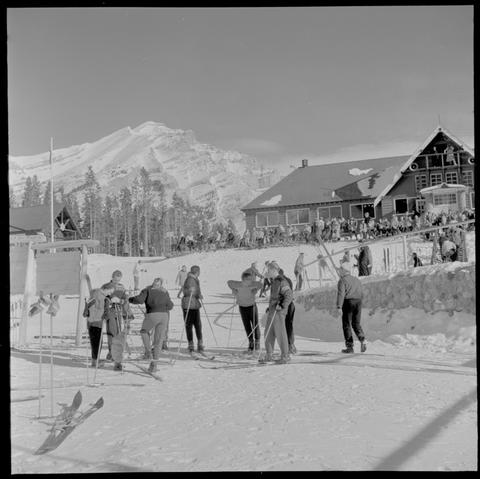
After the Second World War, European immigrants, many of whom were already experienced skiers and instructors, helped shape Norquay’s culture and racing programs. The mountain became a proving ground for elite alpine skiing and hosted important competitions, including major North American races.
By the late twentieth century, Norquay had become part of Banff’s famous trio of ski resorts alongside Lake Louise and Sunshine Village. The three areas, known collectively as the Big 3, eventually collaborated on a shared lift-ticket system, making it easier for visitors to ski across the region.
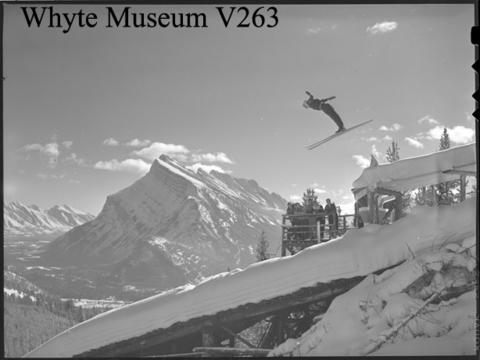
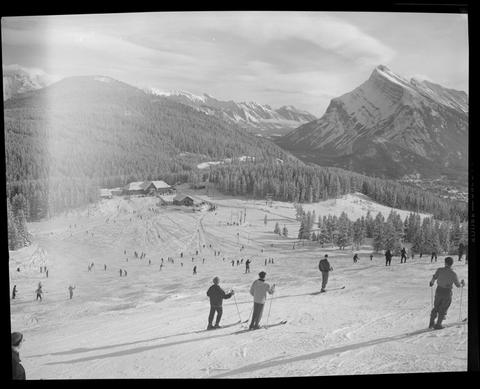
Today, Norquay blends modern amenities with its historic roots. The mountain features about 60 runs and more than 500 metres of vertical, along with terrain parks, snowmaking, and night skiing, making it the only resort in Banff National Park to offer skiing after dark. In winter, it remains known for both challenging terrain and a family-friendly atmosphere. In summer, visitors ride the chairlift for panoramic views, climb the mountain’s via ferrata routes, or dine at the historic Cliffhouse Bistro high above the Bow Valley.
Currently celebrating its 100th season, Mount Norquay stands as the oldest ski resort in the Canadian Rockies. While new lifts and facilities continue to modernize the mountain, its spirit remains rooted in the early days of Banff skiing, when locals climbed the hill with their skis tucked under their arms and a healthy sense of adventure. A century later, generations of skiers still shred those same slopes, keeping Norquay’s remarkable mountain story alive.
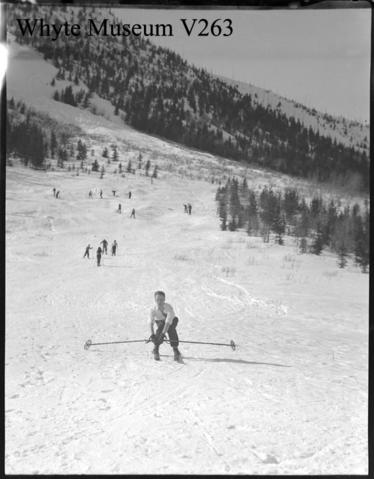
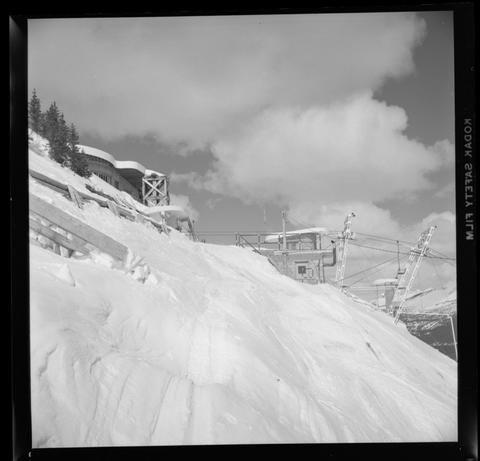
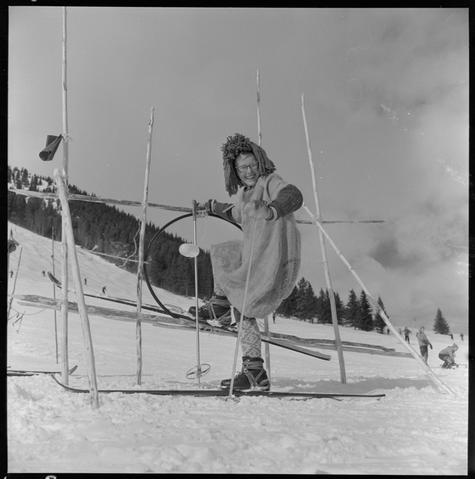
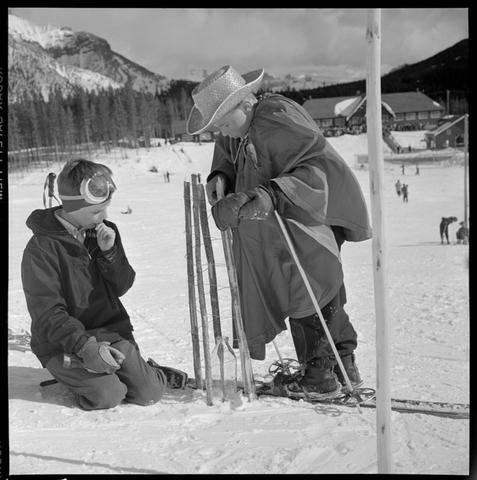
For similar photo collections, please see my previous posts, including Vintage Photographs of Skiing from Across Alberta, Old Photographs from Nakiska Ski Hill, Old Photographs from Fortress Mountain Ski Resort, Historical Photos from Marmot Basin, and Vintage Photos from Banff’s Sunshine Village.
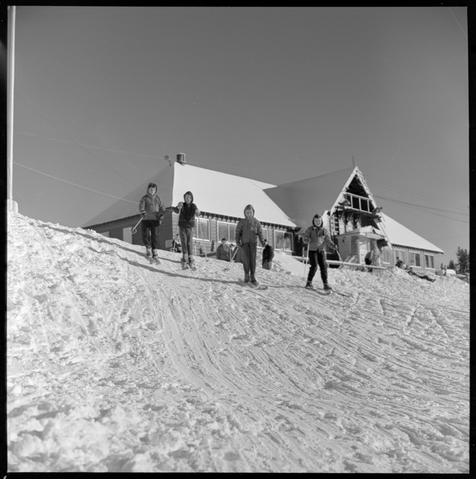
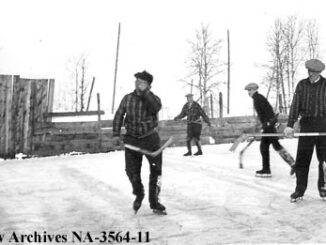
The photos above were collected from Archives Canada. For more information, you can find additional details about each photograph on their website. Stay tuned for additional posts featuring historical photos from across Alberta and Western Canada. We’d love to know what you think in the comment section below.