
The Canadian house has changed dramatically over the past decade. As we spend more time at home, the impulse to move in has never been more natural. We’re moving away from big-box store décor and toward something more personal. This approach centres on personalized canvas prints, which seamlessly blend high-end gallery aesthetics with intensely personal narrative.
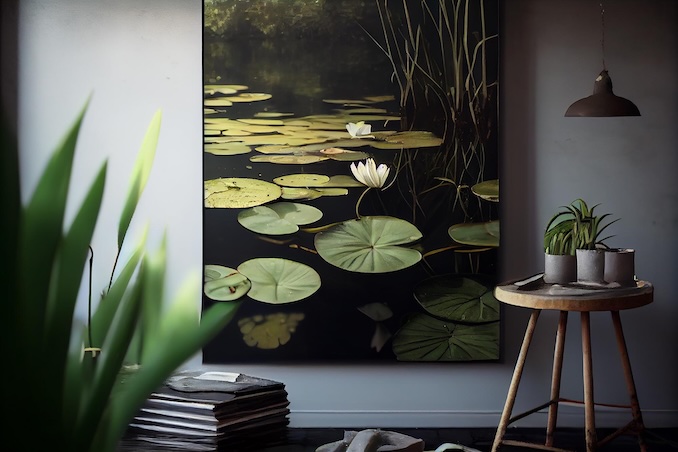
Calgary, Toronto, and Vancouver interiors increasingly include tailored warmth. Canadians want to remember their unique experiences, whether a jagged mountain peak from a weekend in Banff or a genuine family moment in a sunny garden. Canvas’s tactile feel complements northern design palettes’ natural elements like wood, stone, and wool, which computer displays cannot match.
Why Canvas is Dominating the Canadian Market
The popularity increase goes beyond emotion. Accessibility and durability matter. Traditional framing requires non-glare glass and hefty mounting gear, making it laborious and costly. Canvas has a trendy, lightweight frameless gallery wrap style. It minimizes glare, making it perfect for bright, open-concept Canadian houses with floor-to-ceiling windows.
Printing technology has also advanced. The blurry, fading prints of the early 2000s are gone. Experts employ innovative printing methods and UV-resistant inks to keep art vivid twenty years after it was unboxed. For those looking to elevate their space, choosing high-quality canvas prints Canada has become the gold standard for creating a focal point that feels both professional and personal.
Top 5 Ways Custom Canvas Prints are Redefining Canadian Interiors
Before we get into the why behind this trend, it’s good to look at how artists and homes are using this medium. These five trends are changing the way Canadian wall art is made right now.
1. The Large-Scale Landscape Focal Point
Canada has some of the most beautiful scenery in the world. We get our ideas from the wild places around us, like the rough beaches of the Maritimes, the wide fields, and the tall Rockies. These days, the Hero Piece is a big part of how homes are designed in Canada. We print a very large, high-resolution picture of an important scene, usually 24×36 inches or bigger, to do this.
- Atmospheric impact. A big canvas might be a fake window to bring nature inside. This is especially helpful during lengthy winters when summer vegetation or a golden fall forest may increase mood and mental health.
- Minimalist framing. Canvas wraps over the wooden stretcher bar, so no heavy frame is needed. The minimalist, utilitarian, and clutter-free Scandi-Canadian ethos suits this clean design.
- Acoustic benefits. Interestingly, huge canvases reduce sound. Canvas prints, fabric, and wooden frames absorb echoes better than glass-fronted frames in contemporary houses with hardwood floors and high ceilings.
2. The Multi-Panel Split Canvas (Triptychs)
The multi-panel method is one of the most advanced ways to use canvas. This is done by stretching a single picture across three or more different boards. With this method, a simple picture can be turned into an organized piece that can give a long hallway or the space above a sectional sofa some flow.
- Creating movement. By breaking the image up, you force the eye to move across the wall, creating a sense of scale and grandeur. It’s a favourite tactic for professional stagers in Calgary’s luxury real estate market.
- Versatility in sizing. Triptychs allow you to cover a massive amount of wall space without the logistical nightmare of hanging one singular, overly heavy piece. It also allows for creative spacing. You can hang panels two inches apart to create a contemporary shutter effect.
- Visual interest. This style works exceptionally well with abstract photography or architectural shots. The physical gaps between the canvases act as a digital grid, making even a simple sunset look like a piece of curated contemporary art.
3. The Modern Family Gallery Wall
There were different types of glass, frames that didn’t match, and stands that weren’t in the middle of the old gallery walls. The updated canvas galleries are simpler to navigate and look nicer. A well-organized grid may be made using 1.5-inch prints.
- Uniformity. Canvas prints of the same size and thickness look museum-like. Even though the photographs were shot at various times and in varied lighting, the canvas texture unites the group.
- Ease of expansion. Canvas gallery walls are great because they can expand. New tiles are easy to add to the grid as families grow or memories are produced. You don’t need to find a discontinued frame.
- Safety first. Canvas is safer than glass for families with small children or pets. There is no risk of a frame falling and shattering, and the lightweight nature of the medium means it can be secured easily with simple adhesive strips or small nails.
4. Black and White Minimalist Portraits
On canvas, bright colours look great, but right now the big black-and-white picture is all the rage in Ontario and Quebec. In a close-up of a child, a pet, or a plant, taking away the colour makes the texture and feel stand out.
- Timeless aesthetic. Photographing in black and white never goes out of style. It complements industrial greys or warm earth tones in any house.
- Highlighting canvas texture. The canvas’s slight roughness is more visible without colour. It seems like an expensive commission rather than a digital print due to its artistic flair.
- Emotional weight. High-contrast monochrome canvas prints are more serious and creative. They bring elegance and peaceful thought to home offices and formal dining areas.
5. Abstract Art and Macro Textures
Each canvas print doesn’t have to depict a person or location. Many Canadian artists make unique abstract prints. Take photos of unusual textures like rusty metal, weathered wood, or your favourite fabric to create a unique non-objective artwork.
- Custom colour matching. If you have a specific accent colour in your living room (say, a deep teal or a burnt orange), you can find or take a photo with those tones and have it printed on canvas to perfectly tie the room together.
- Tactile illusion. A high-resolution print of a textured surface on canvas creates a fascinating visual trick. From a distance, it looks like a 3D mixed-media piece. Only upon closer inspection does the viewer realize it is a flat, printed surface.
- Professional polish. This is an excellent way for DIY decorators to achieve a designer look on a budget. Instead of paying thousands for an original abstract painting, you can curate a high-end look using your own eye for detail and high-quality printing services.
Technical Considerations for the Canadian Homeowner
To make custom canvas pictures look professional, you need to pay attention to two main technical factors: the image quality and the wrap style you choose. To avoid a grainy finish, you must use high-resolution files, at least 2400 x 3600 pixels for a normal 16×24 print, and stay away from social media photos that have been compressed. Instead, use original camera files. The style of the piece is also determined by how the sides are finished. An image wrap makes the picture stretch to the sides, which can hide features around the edges. A mirror wrap, on the other hand, echoes the image onto the edges to keep the full front-facing design. On the other hand, a uniform colour wrap in black or white makes a clean, boxed look that works well in modern, high-contrast rooms.
A Sustainable Choice for the Future
When we think about the future of home design, durability and ecology are becoming more and more important. Kiln-dried wood frames that don’t bend are often used to make high-quality fabric pictures. This is important because the temperature in Canada changes all the time. We are moving away from the throwaway decor cycle and investing in pieces that have emotional value by choosing to print our own photos and art.
Custom canvas pictures are becoming more popular in Canada, which shows that we want our living spaces to be more unique, interesting, and important. These pieces do more than just fill space on the wall, whether it’s a single large scene or a neat grid of family smiles. They tell the story of the people who live there.
Frequently Asked Questions (FAQ)
What is the best way to clean a canvas print?
Use a dry, soft microfibre cloth or a feather duster to wipe off dust from the surface of your canvas to keep it in good shape. Do not use water, glass cleaner, or any other strong chemicals on the print. These can damage the UV layer and break down the ink over time.
Can canvas prints be hung in high-humidity areas like bathrooms?
Good boards are made from natural wood and cotton/polyester mixes, so they last a long time. If there is a lot of moisture in the air, the wood frame may shift, or the cloth may lose its stiffness. Hang them somewhere with good air flow and away from direct steam or splashing water.
How do I know if my photo is of high enough quality for a large canvas?
A grade meter is built into most services that do expert printing. The system looks at the number of pixels in your file when you share it and tells you the largest size you can print without losing quality. You should always try to get Great or Excellent scores.
Do canvas prints fade if they are placed in direct sunlight?
If the service uses archival-grade colours that don’t fade in UV light, your picture should last for decades. But, like any other piece of art, long-term exposure to strong, harsh afternoon sunshine can fade the colours. The easiest thing to do is to hang your picture on a wall that gets indirect light.
What is the difference between a Standard and a Gallery wrap?
Most of the time, this refers to how thick the wooden stretcher bars are. A standard wrap is usually about 0.75 inches thick and looks flatter when it’s pressed up against the wall. Gallery wraps are usually 1.5 to 2 inches thick, which gives them a more solid, three-dimensional look that makes them stand out.