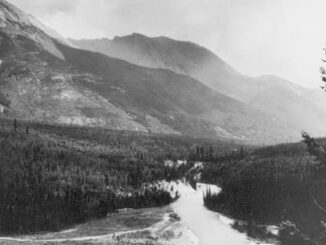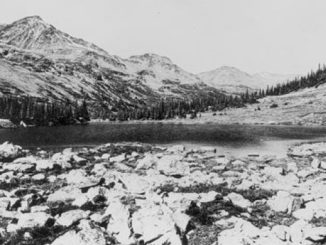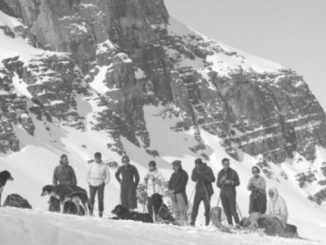
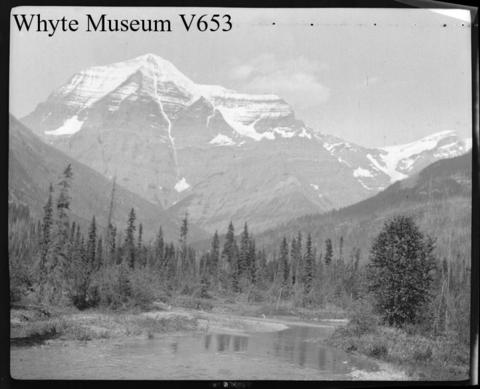
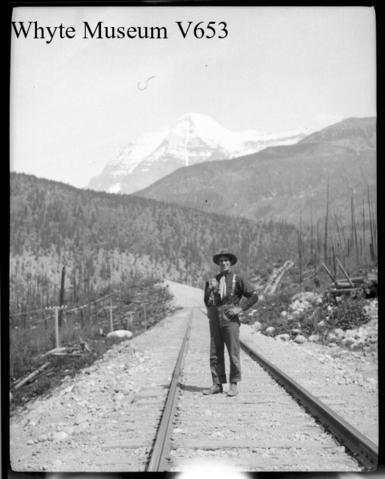
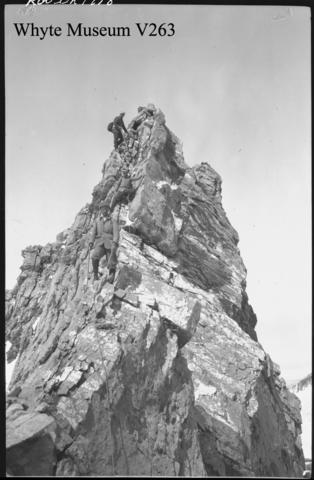
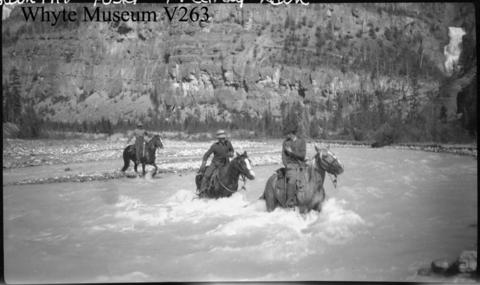
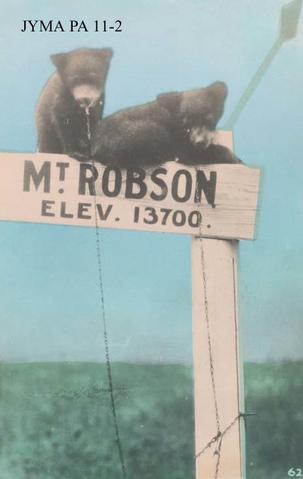
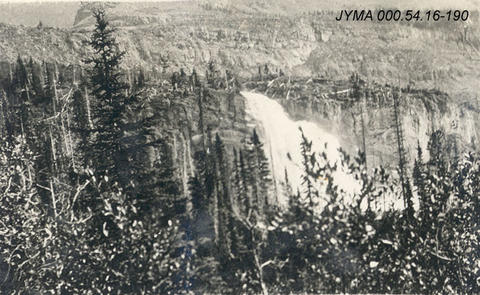
Mount Robson has long captivated explorers, climbers, and photographers as the highest peak in the Canadian Rockies, towering to 3,954 m (12,972 ft) and dominating the rugged spine of the range. The mountain was known to early fur traders and Indigenous peoples long before European exploration, with the Texqakallt Nation calling it ‘Yuh-hai-has-kun’, which roughly translates to ‘mountain of the spiral road’. Its dramatic south face and layered rock strata were first documented in journals in the mid-19th century as travellers passed through Yellowhead Pass en route west.
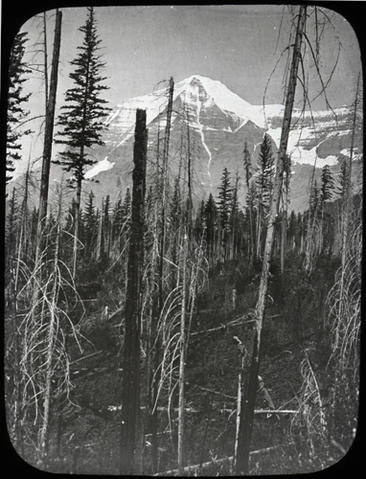
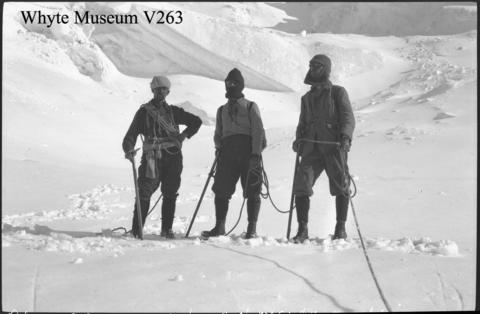
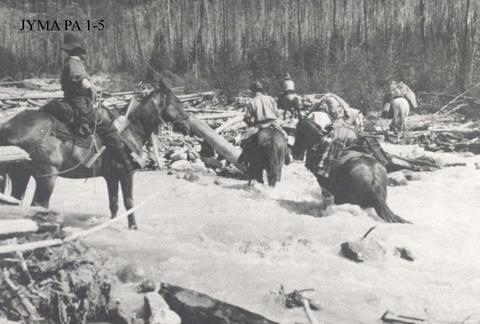
After years of early attempts, the first confirmed ascent was achieved on July 31, 1913 by William W. Foster, Albert H. MacCarthy, and legendary guide Conrad Kain, whose party cut over 600 steps through ice and snow on a 17-hour climb that cemented Mount Robson’s reputation as one of North America’s most formidable peaks. That same year, the B.C. legislature created Mount Robson Provincial Park, making it the second-oldest provincial park in British Columbia, established to protect the mountain’s towering landscapes and the headwaters of the Fraser River.
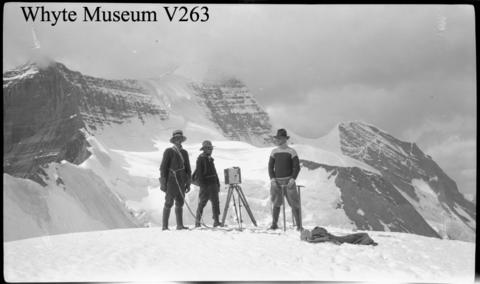
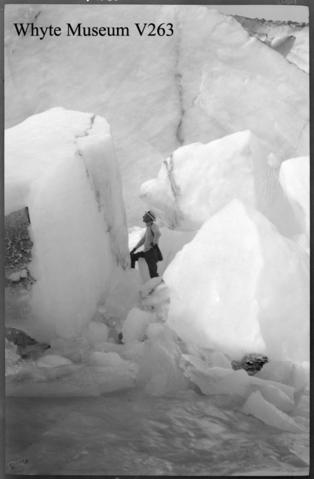
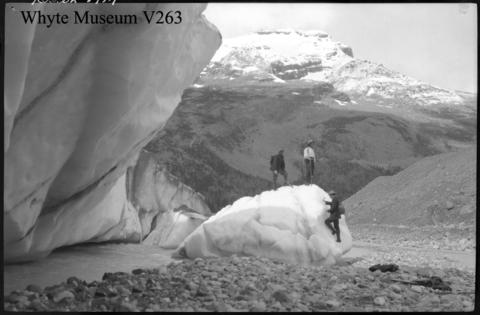
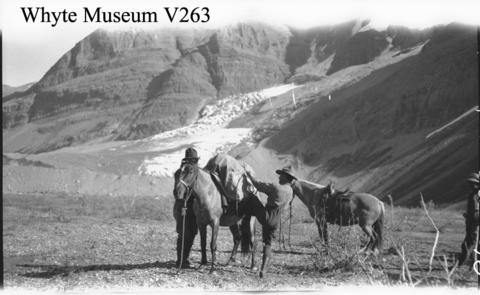
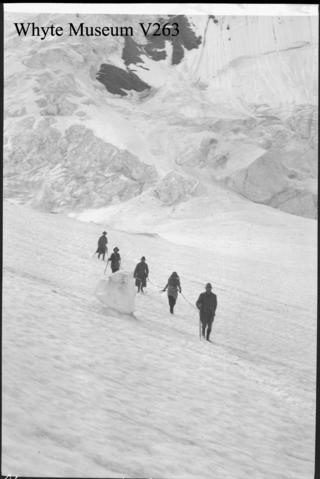
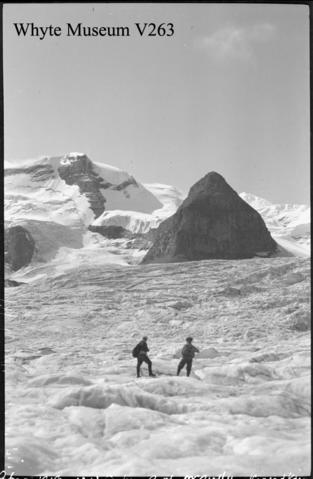
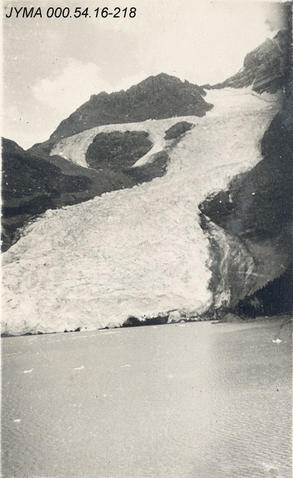
Today, the park is part of the Canadian Rocky Mountain Parks UNESCO World Heritage Site, cherished for its soaring peaks, glaciers like Berg Glacier, and rich biodiversity. It draws adventurers to classic routes such as the Berg Lake Trail, while the Yellowhead Highway and Canadian National Railway continue to thread through the valley, linking this wild heart of the Rockies to communities like Valemount and the broader network of protected landscapes that stretch across British Columbia and Alberta.
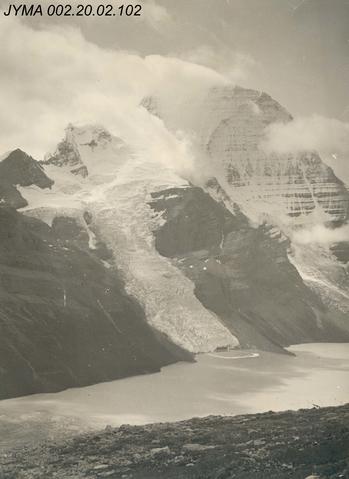
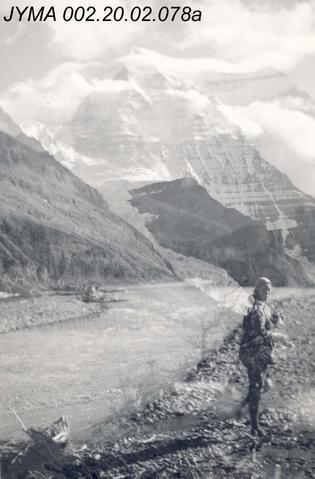
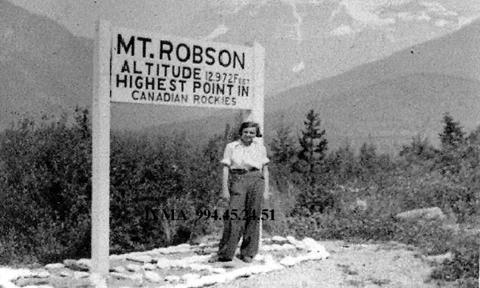
For similar posts please see these previous stories; Old Photographs from the Mount Assiniboine Area, Old Photographs from Kootenay Plains, and Old Photographs of Glaciers from Western Canada: Part 2.
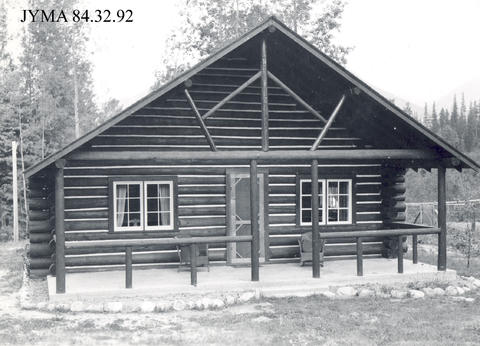
The photos above were collected from Archives Canada. For more information, you can find additional details about each photograph on their website. Stay tuned for additional posts featuring historical photos from across Alberta and Western Canada. We’d love to know what you think in the comment section below.