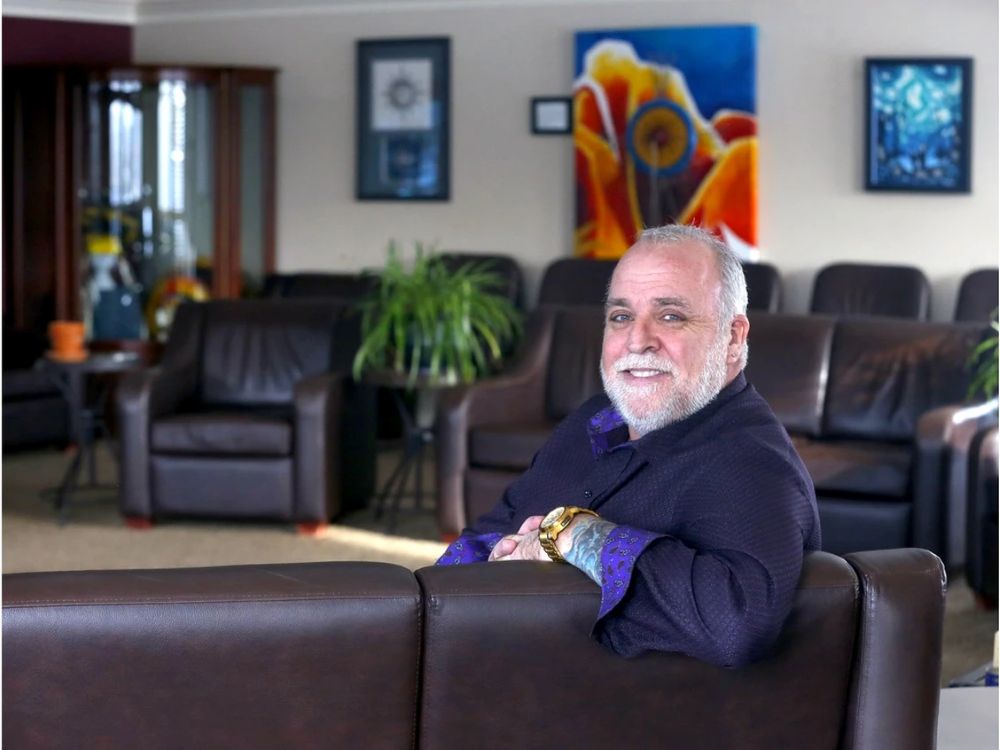
Addiction is often seen as an individual struggle, a private battle waged behind closed doors. But for Bruce Holstead, Executive Director of Fresh Start Recovery Centre, recovery is anything but solitary. With lived experience and decades in the field, Holstead leads a community-based organization that transforms long-term addiction recovery from an abstract idea into a practical, lived reality. From navigating stigma in the early 2000s to shaping today’s coordinated, evidence-informed approaches, Fresh Start tackles the complex barriers people face—housing, connection, purpose, and stability—through compassion, accountability, and dignity. In this Q&A, Holstead shares how the organization has evolved, why community matters in recovery, and how everyone can play a role in supporting lives rebuilt.
Describe your charity/non-profit/volunteer work in a few sentences.
Fresh Start Recovery Centre is a community-based, long-term addiction recovery organization providing an abstinence-based, evidence-informed continuum of care. Rooted in compassion, accountability, and dignity, Fresh Start supports individuals in building stable, meaningful lives in recovery.
Distinctive for its relational approach and staff with lived experience alongside professional expertise, Fresh Start consistently exceeds national recovery outcomes. Guided by the belief that addiction is a community issue with a community solution, Fresh Start exists to restore individuals, families, and communities through long-term recovery.
What problem does it aim to solve?
At its core, Fresh Start exists to provide practical solutions to addiction, not just short-term interventions. Through structured programming, clear accountability, and long-term supports, the organization addresses the real-life barriers people face in recovery, including housing, connection, purpose, and stability. By meeting individuals where they are and walking alongside them well beyond treatment, Fresh Start turns recovery from an idea into a lived, sustainable reality, as we say, providing solutions to save lives.
When did you start/join it?
I first became employed by Fresh Start in 2009 – I have a sedipitous relationship with the organization since 1998
What made you want to get involved?
My own lived experience is what led me to this work and continues to ground everything I do within this sector. I understand addiction not from a distance, but from having lived through its impact, its consequences, and the hard work required to rebuild a life. That experience shaped a deep commitment to doing this work with honesty, humility, and accountability. It is why I believe so strongly in long-term solutions, in walking alongside people rather than rushing them through systems, and in creating spaces where dignity, responsibility, and hope are not just talked about, but practiced every day.
What was the situation like when you started?
When I first encountered addiction and treatment, the landscape was very different from what it is today. Twenty years ago, addiction was still heavily burdened by stigma and moral judgment, often viewed as a personal failure rather than a complex health and social issue. Treatment options were limited, conversations were quieter, and shame frequently stood in the way of people asking for help. Those experiences shaped my understanding of how far we still need to go and reinforced my commitment to building approaches rooted in compassion, accountability, and dignity, where people are met with understanding instead of judgment.
How has it changed since?
Drugs and their impact have also changed the landscape in profound ways, as have our collective understanding and responses as a community and as government. Substances are more potent, more complex, and carry far greater risk than in the past, requiring approaches that are informed, coordinated, and grounded in reality. At the same time, there is a growing recognition that addiction is not an individual issue but a community one, and that meaningful solutions require collaboration across treatment providers, families, systems, and government. This shift has created space for more honest conversations, stronger partnerships, and responses that focus on saving lives rather than assigning blame.
What more needs to be done?
What more needs to be done is a fair and necessary question, but it is equally important to recognize how much has changed in recent years. For the first time in my experience, there is a meaningful, coordinated effort from government, communities, and organizations working toward shared solutions. Initiatives such as Recovery Alberta and the advancement of a Recovery-Oriented System of Care have shifted the conversation from crisis response to long-term recovery, accountability, and continuity of care. Yes, more work remains in areas like housing, pre-treatment supports, and access to detox, but it matters that we acknowledge the progress that has occurred. This momentum reflects a growing understanding that recovery is possible, that systems must work together, and that sustained investment saves lives. Recognizing what has been built allows us to strengthen it, rather than overlook the real progress that is finally taking hold.
How can our readers help?
Readers can help by recognizing that recovery is a shared responsibility and choosing to be part of the solution. This can start with learning more, challenging stigma when it appears, and speaking about addiction with compassion rather than judgment. Support can take many forms, including advocating for recovery-oriented housing, backing organizations that deliver long-term solutions, volunteering time or expertise, and supporting policies that strengthen continuity of care. Most importantly, readers can help by seeing recovery as possible and worth investing in, because when communities show up with consistency and care, lives are changed and families are restored.
Do you have any events coming up?
Yes. On August 15, we will be hosting our 18th Annual 12 Stop Ride for Recovery, a signature Fresh Start community event that brings together riders, families, alumni, partners, and supporters from across Alberta.
The Ride is more than a motorcycle event. It is a moving, day-long journey built around the 12 Steps, with each stop offering a moment of reflection, connection, and awareness. It raises critical funds for recovery programming while creating visible, public conversations about hope, accountability, and long-term recovery.
Everyone is welcome to be part of the day, whether by riding, volunteering, sponsoring, or simply showing up in support. Events like this remind us that recovery does not happen in isolation. It happens together, in community.
Where can we follow you?
Fresh Start Recovery and Fresh Start Raffle
PAY IT FORWARD: What is an awesome local charity that you love?
I would like to share Aventa Centre of Excellence for Women with Addictions, their Executive Director is Kim Turgeon.